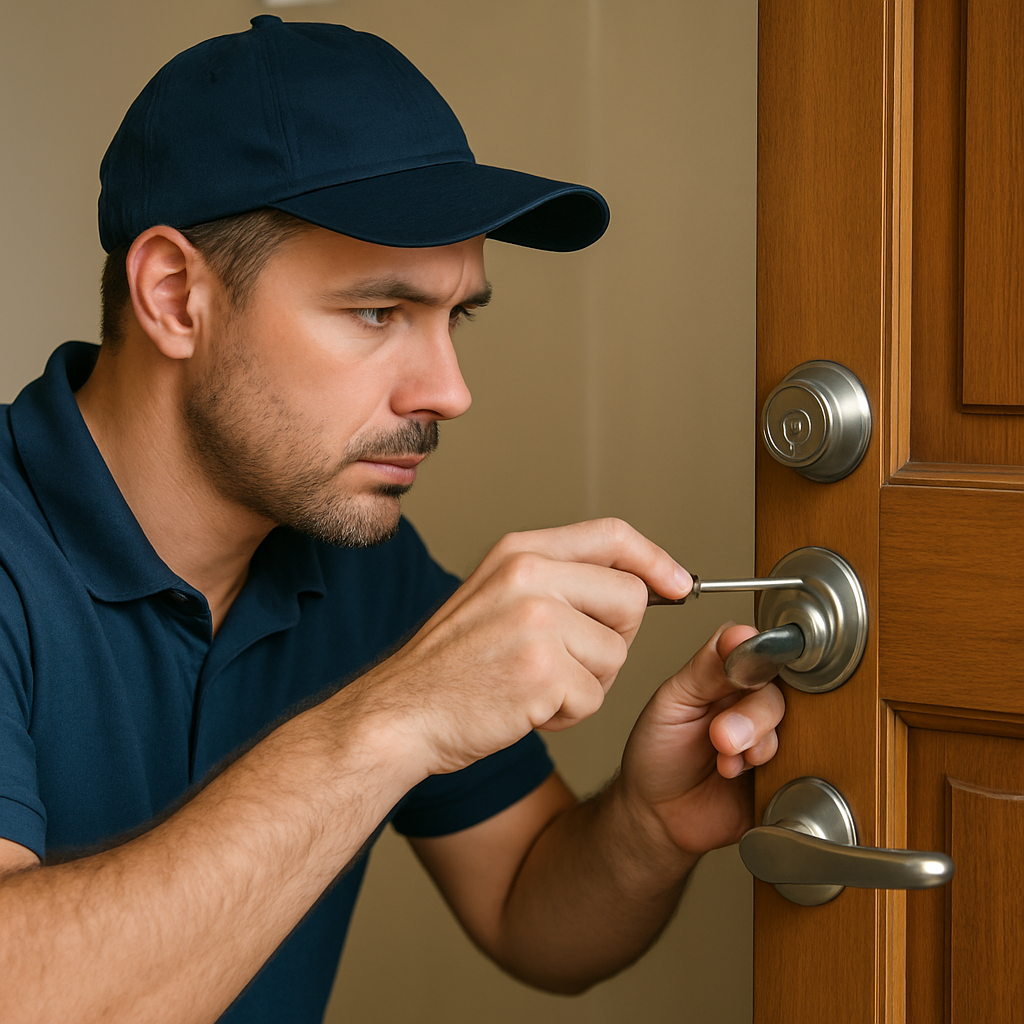
If you are searching for a Fast locksmith near me to resolve a Office access control lockout, this page is written for you. Think of this as a practical guide that separates quick myths from useful tactics when a https://accessctrllccd766.theglensecret.com/experienced-orlando-locksmith-for-vehicle-emergency-door-opening keycard, strike, or controller fails. Read on for concrete steps, realistic timelines, and trade-offs you will face when calling a 24 hour locksmith for access control issues in Orlando.
Why commercial access control lockouts matter
A lockout at a retail or office site can cascade into lost sales, staff overtime, and security exposure for sensitive areas. The stakes include loss of audit logs, insurance disputes after a break-in, and regulatory exposure when access to certain rooms is required to be logged. A technician who knows both mechanical and electronic systems saves time and money because they diagnose rather than guess.
Typical response times and what affects them
Response time expectations vary by time of day, location in Orlando, and the complexity of the lockout situation. In busy periods or for remote properties, expect 60 to 120 minutes; if the locksmith must retrieve a specific commercial controller, add another 30 minutes to source that part. If you can provide a recent work order or a photo of the damaged component before they arrive, they can bring the right replacement parts.
Where to start when doors stop responding
In my experience, credential failures and power issues are the quickest to resolve, while controller corruption and mechanical damage take longer. If multiple doors controlled by the same board fail simultaneously, suspect a central controller or power supply problem rather than independent reader failures. Backup battery failures are common and they produce intermittent behavior that confuses staff, so check battery health early.
Tools and techniques used on site
Expect tools such as multimeters, battery testers, key readers, programming devices, and a selection of strikes and cylinders suited for office hardware. Once verified, the tech will isolate whether the problem is mechanical, electrical, or software and proceed with the least invasive fix. For mechanical jams, technicians prefer temporary non-destructive methods to restore exit capability before disassembling a door.
Pricing realities and when to accept higher costs
Emergency callouts will be priced higher than scheduled service because of after-hours labor, travel, and the urgency of resolving business interruption. Sometimes the prudent choice is a temporary override to reopen the facility while scheduling a thorough repair the next business day. If your installation uses an older proprietary controller, be prepared for the possibility that the long-term fix is a migration to a supported platform rather than a like-for-like replacement.
Questions to ask before you hire
A competent crew will list controllers, readers, and strikes they commonly service and be comfortable discussing software resets and credential enrollment. Also be wary of firms that cannot provide clear pricing ranges for emergency visits; transparency is a sign of experience. A practical test to use when choosing is to call with a hypothetical: present the make and model of a controller and ask how they would approach a simultaneous failure of three doors.
Minimizing future lockouts through maintenance and policy
Documenting staff with master-level access and pruning inactive credentials reduces confusion when things fail. Schedule battery replacements for controllers and readers on a predictable cycle rather than waiting until a low-voltage warning appears. Training front-desk staff on basic checks and on how to securely perform an authorized override can reduce false alarms and speed initial recovery.
Short field stories with lessons
Once I unlocked a downtown office by discovering that a weekend cleaning crew had reported a badge lost and an admin had deactivated the entire team list in panic. Teams that maintain a small on-site cache of batteries, a spare reader, and current wiring diagrams bounce back faster than teams that rely on next-day parts orders. If you can, maintain a relationship with one reliable locksmith rather than calling different companies each time, because familiarity with your site saves time.
What to have ready when you call
If you have wiring diagrams, credential lists, or spare keys available, make those accessible and tell the locksmith in advance. Record the time the issue started, any recent changes to credentials or firmware, and whether other systems like alarms or cameras were affected. Finally, agree on an authorization process and an estimated budget range before work begins so there are no surprises when the invoice arrives.

The advantage of a local, vetted provider
A firm based in Orlando will also be familiar with climate-driven hardware failures such as corrosion and with common multi-tenant door layouts. Regular work also keeps them engaged and aware of issues before something critical fails. Documentation after repair is not optional if you care about audits and insurance; insist on a service report with serial numbers and confirmation of functionality.
A well-prepared call reduces response time and increases the chance of a non-destructive, auditable repair.